Description
Product Classification: Research-Use-Only (RUO)
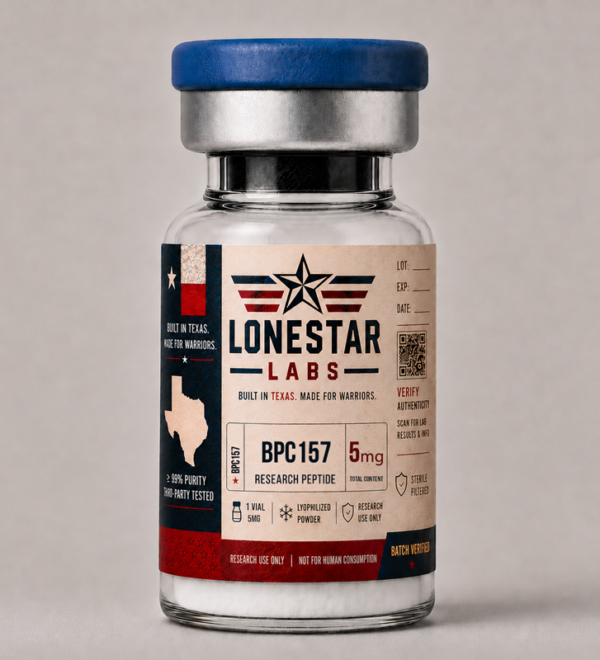
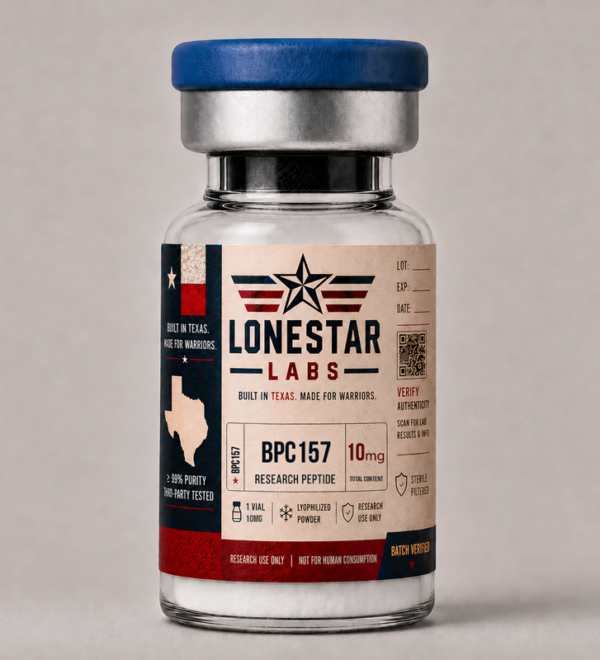
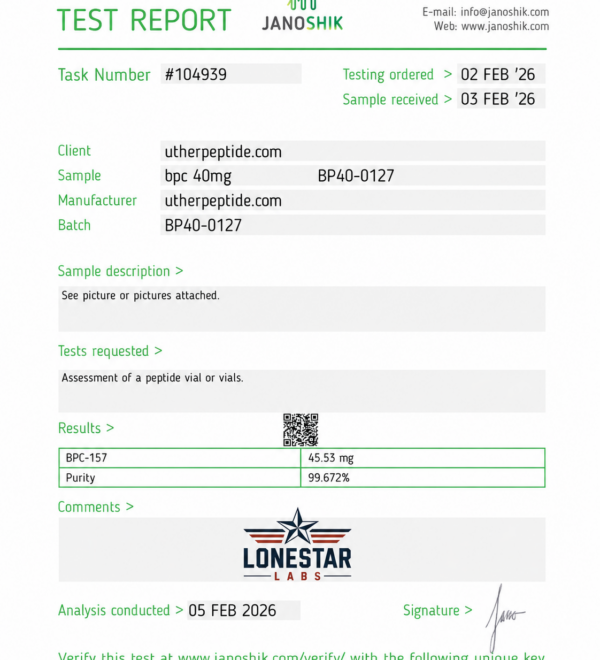
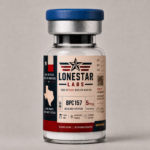
Total Content: 10 mg lyophilized powder per vial
Compound: BPC-157 research peptide
Form: Sterile lyophilized peptide compound
Purity: ≥99%
Storage: Store at −20 °C, protected from light
Packaging: Glass vial in protective sleeve
Description
BPC-157 10 mg is a BPC-157 research peptide designed for laboratory investigation of cellular signaling pathways associated with tissue biology, cellular communication, angiogenic signaling, and regenerative pathway activity. BPC-157 is frequently studied in preclinical research involving cellular-response mechanisms, extracellular matrix interactions, vascular signaling pathways, and biological-response systems. This pathway profile makes it useful for preclinical research into cellular communication, tissue-signaling mechanisms, regenerative biology, and peptide pathway modeling.
This compound is intended strictly for in vitro and preclinical laboratory research.
Applications
Intended for preclinical laboratory research only, including:
- Cellular signaling studies
- Angiogenic pathway research
- Tissue-biology investigations
- Cellular communication analysis
- Extracellular matrix pathway studies
- Biological-response experiments
- Comparative peptide-signaling research
WARNING: Not for human or animal use. For research purposes only.
SCIENTIFIC REPORT
Abstract
BPC-157 is a synthetic research peptide investigated for its role in cellular signaling, tissue-biology pathways, angiogenic signaling mechanisms, and biological-response activity. This pathway profile allows researchers to model cellular communication systems in controlled experimental environments. BPC-157 10 mg is designed for laboratory use in studies examining cellular signaling, vascular pathway activity, extracellular matrix interactions, biological-response mechanisms, and downstream cellular responses associated with peptide-signaling activation.
Mechanistic Pathway
BPC-157 is designed around cellular signaling and tissue-biology pathway modeling.
- Cellular Signaling Pathway
- Supports research into cellular communication mechanisms
- Used in tissue-biology and biological-response pathway models
- Studied for effects on downstream cellular signaling
- Effect: Models cellular signaling activity in controlled research systems.
- Angiogenic Signaling Pathway
- Supports investigation of vascular-signaling mechanisms
- Used in cellular-response and tissue pathway models
- Helps study signaling interactions within biological systems
Effect: Enables research into angiogenic pathway contribution to cellular signaling.
Extracellular Matrix Pathway
- Supports research into extracellular matrix signaling mechanisms
- Used in tissue-biology and regenerative pathway models
- Helps evaluate pathway activity within biological systems
- Effect: Provides a model for extracellular matrix pathway research.
- Pharmacokinetics / Research Profile
- Compound
- Pathway
- Research Notes
- BPC-157
- Cellular / Angiogenic Pathways
- Research model for tissue-biology and cellular-signaling investigations
Dosing Models in Research
Used only in controlled in vitro and preclinical research models to study cellular signaling and biological pathway response. No human or animal-use instructions are provided.
Preclinical Research Highlights
- Studied as a cellular-signaling model involving tissue-biology pathways
- Used in angiogenic signaling and biological-response pathway research
- Supports comparative studies involving cellular communication models
- Relevant to extracellular matrix interactions, vascular signaling, and pathway cross-talk studies
- Useful for evaluating downstream effects of peptide-signaling activity
Conclusion
BPC-157 10 mg offers a research-use-only model for studying cellular signaling pathway activation. By engaging cellular communication, angiogenic signaling, and tissue-biology pathway models, it supports advanced preclinical investigation into biological-response mechanisms, extracellular matrix interactions, regenerative biology systems, and peptide-signaling pathways.